
.jpeg)
Phosphate Solubilising Fungal Bio fertilizer | ||
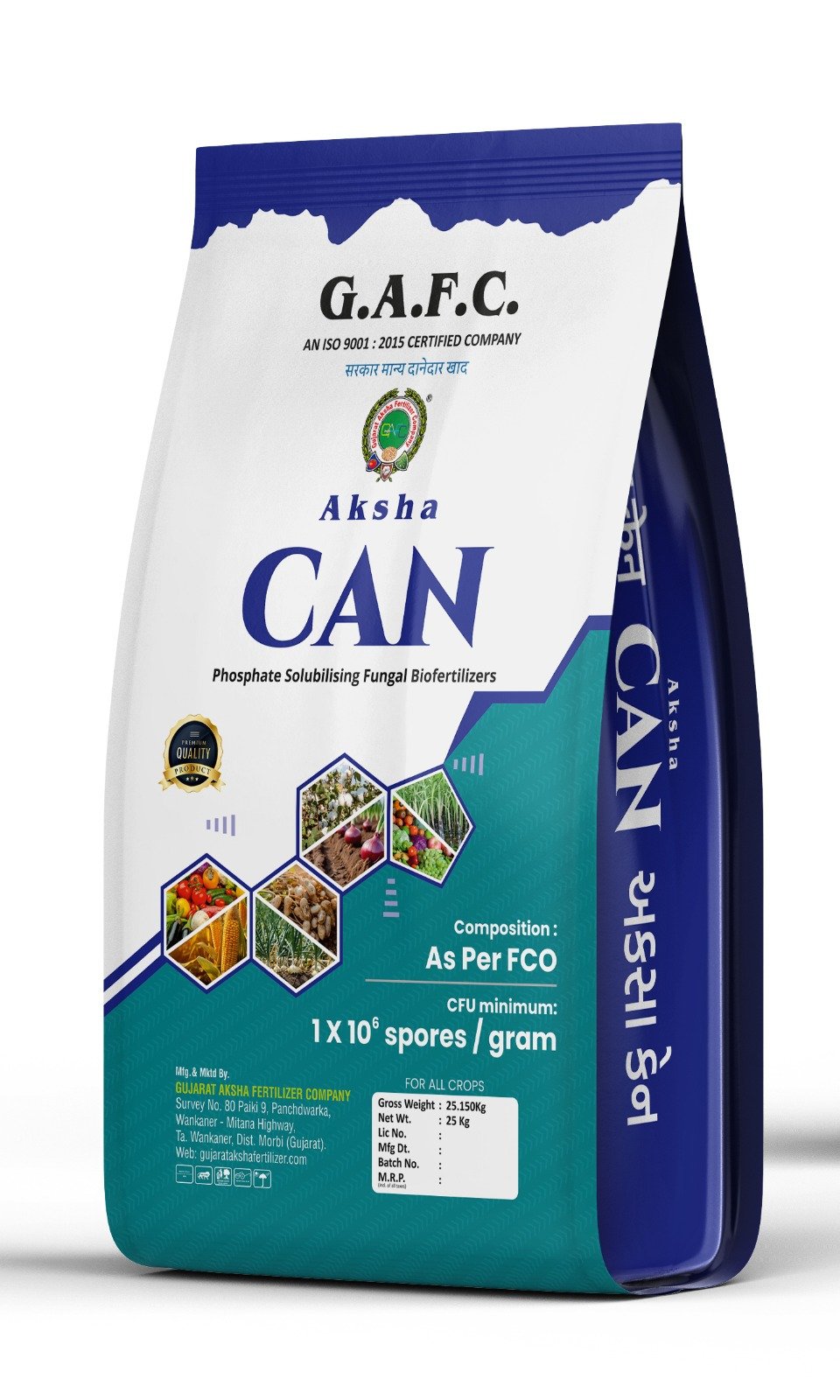
(1) | Spore count | Minimum 1x10⁶ spores /gram Minimum 1x10⁷ viable fungal spores/ml of tha liquid. |
(2) | Contamination level | Nil for liquid inoculums 1x10³ cells per gram for carrier based preparation. |
(3) | pH | Liquid: 3.5 to 5.5 Carrier: 6.0 to 7.7 |
(4) | Efficiency character | Tha strain be capable of solubilizing at least 30 mg/liter of phosphorus in liquid broth when tesred as per tha method given using tricalcium phosphate or Aluminium phosphate or iron phosphate as phosphate source |
- Solubilization of Fixed Phosphorus: Converts insoluble soil phosphorus (tricalcium, aluminum, and iron phosphates) into soluble plant-available forms (orthophosphates).
- High Organic Acid Production: Fungi secrete more organic acids (e.g., oxalic, citric, gluconic acids) than bacteria, which dissolve phosphate rock and bound minerals efficiently.
- Enhanced Root Growth & Architecture: Stimulates the development of deeper, more abundant, and healthier root systems, improving water and nutrient uptake.
- Production of Plant Growth Hormones: Produces growth-promoting substances like auxins and gibberellins, boosting overall plant development.
- Biocontrol Potential: Suppresses soil-borne pathogens and diseases, enhancing plant health and reducing the need for chemical pesticides.
- High Environmental Adaptability: Generally better suited than bacteria for harsh, arid, or nutrient-poor conditions, and often more persistent in the soil.
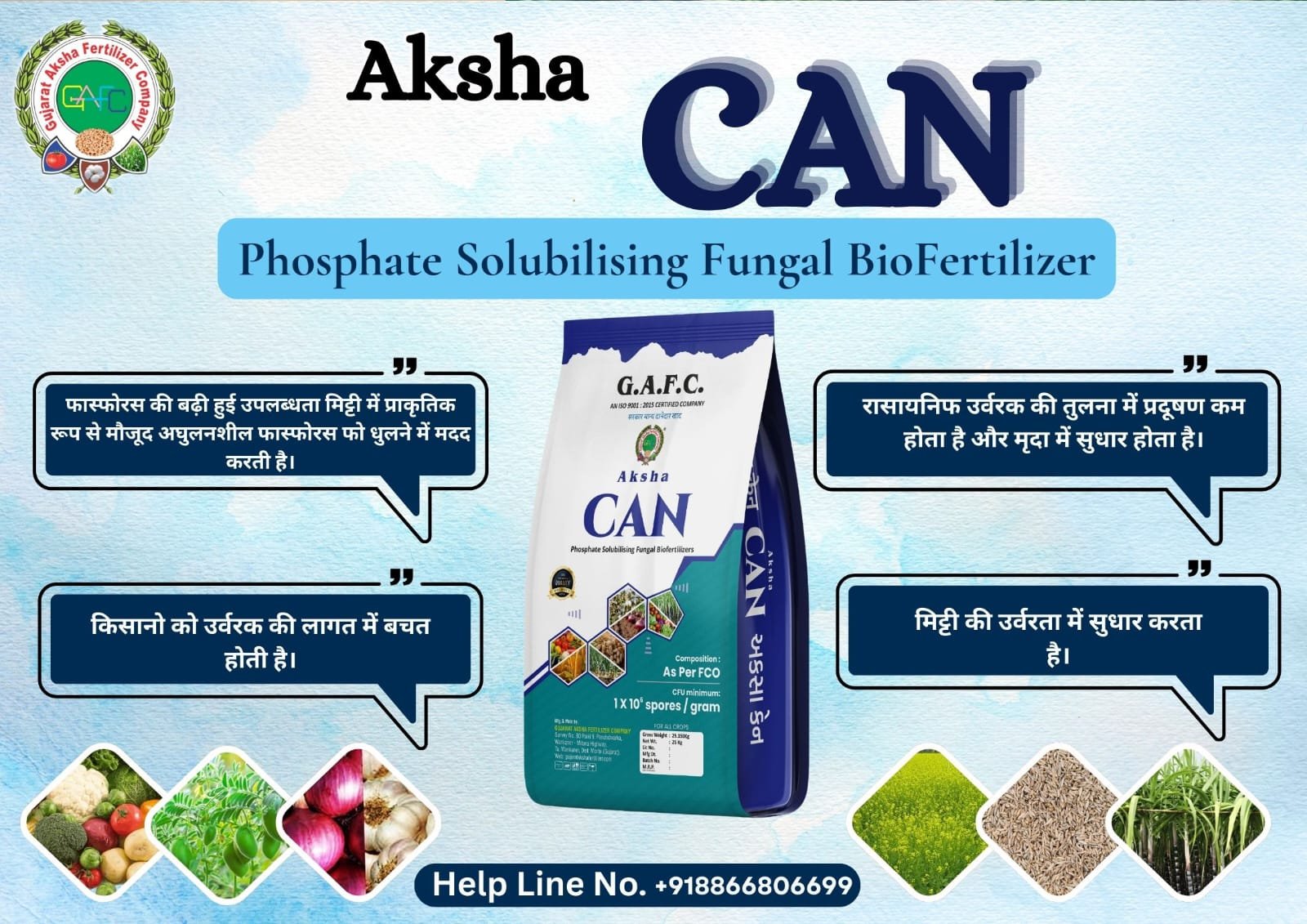
- Reduced Chemical Input: Can reduce the need for synthetic phosphatic fertilizers (like DAP or SSP) by 25–30%.
- Versatile Application: Suitable for almost all crops, including fruits, vegetables, cereals, and industrial crops.
- Increases Phosphorus Availability: Converts insoluble mineral phosphorus (Ca-P, Fe-P, Al-P) and organic phosphorus into plant-usable soluble forms (orthophosphates).
- Reduces Chemical Fertilizer Use: Lowers the need for DAP/SSP by 25–30%, resulting in significant cost savings for farmers.
- Improves Soil Health & Structure: Promotes better soil porosity and aeration, enhancing overall soil fertility and organic matter decomposition.
- Promotes Robust Root Development: Stimulates deeper and more extensive root systems through the production of plant growth-promoting substances like auxins and gibberellins.
- Biocontrol of Pathogens: Suppresses soil-borne pathogens by producing metabolites like lytic enzymes and siderophores, providing a natural alternative to fungicides.
- Enhances Abiotic Stress Tolerance: Helps crops manage stress caused by salinity, drought, and heavy metal toxicity.
- Increases Yield and Quality: Improves fruit/grain yield, promotes early maturity, and enhances nutritional quality (e.g., higher protein content).